
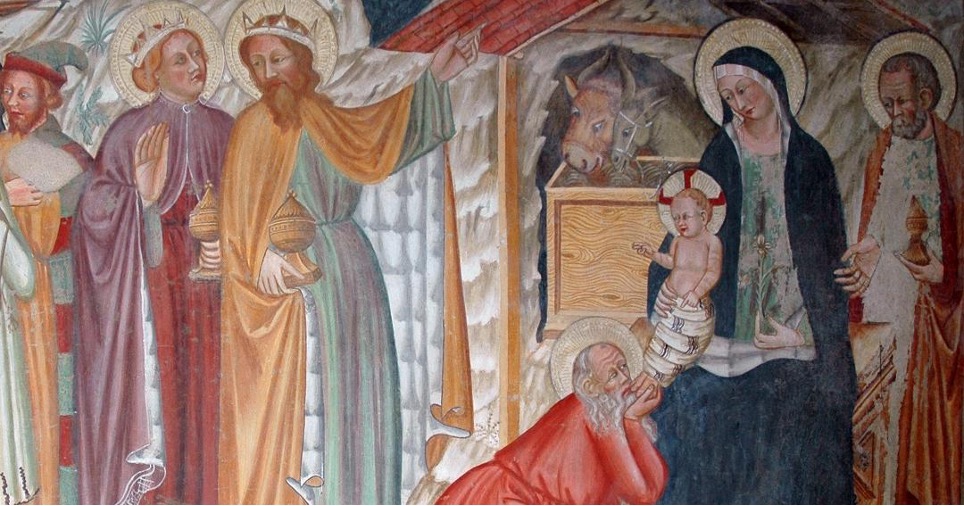
Durante una fredda notte del 24 dicembre 1223, a Greccio, un piccolo borgo dell’Appennino in provincia di Rieti, San Francesco d’Assisi realizzò qualcosa di straordinario che avrebbe rivoluzionato l’iconografia cristiana occidentale: il primo presepe vivente della storia. Ufficialmente, la motivazione era semplice e pia: il Santo desiderava che i fedeli potessero “vedere con gli occhi del corpo” la povertà e i disagi del Bambino Gesù nascente. Tuttavia, esiste un’ipotesi affascinante che travalica la devozione convenzionale: e se Francesco, anziché rappresentare semplicemente una scena evangelica, avesse messo in scena una mappa stellare vivente, una rappresentazione terrestre della configurazione celeste del solstizio d’inverno? E, se così fosse, dove avrebbe appreso una sapienza cosmologica tanto sofisticata?
Francesco, l’Oriente e la Scoperta della Scienza Celeste
Nel 1219, San Francesco non era ancora il mistico che conosciamo dalla tradizione popolare. Quattro anni prima di Greccio, il giovane frate umbro si recò in Egitto, attraversando le linee crociate a Damietta durante la quinta crociata, per un incontro storico che avrebbe segnato per sempre la sua spiritualità. Qui incontrò il Sultano al-Malik al-Kamil, nipote del Saladino, uno dei sovrani più colti dell’epoca. L’incontro non fu un semplice episodio di intolleranza reciproca interrotta dalla carità; piuttosto, fu un dialogo tra due uomini di cultura eccezionale. La corte ayyubide era un centro di raffinatezza culturale incomparabile: gli astronomi arabi custodivano allora la scienza delle stelle, l’Ilm al-Falak, che l’Europa medievale aveva dimenticato dopo il crollo dell’Impero Romano. I saggi dell’Islam, i Sufi e gli studiosi di astronomia, avevano tradotto l’Almagesto di Tolomeo e conservavano nomi di stelle che utilizziamo ancora oggi: Aldebaran, Rigel, Altair sono tutti di origine araba.
È dunque plausibile che Francesco, mistico amante della Natura che parla di “Fratello Sole” e “Sorella Luna”, abbia partecipato a discussioni con i saggi sufi sulla geometria del cosmo? I Sufi chiamavano il cielo “il rotolo dispiegato di Dio”. Forse qualcuno gli mostrò un astrolabio o, perfino, qualcuno gli rivelò il principio ermetico che sottende la sua stessa mistica: “Come in Cielo, così in Terra”.
Tornato in Italia alcuni anni dopo, Francesco non scrisse un trattato di astroteologia. Ma individuò una grotta reale, prese animali veri, un Bambino rappresentato da una statuina, e trasformò quella notte di Greccio in una liturgia vivente.
Il Solstizio d’Inverno: L’Evento Cosmico di Tutte le Civiltà Umane
Prima di analizzare nei dettagli il presepe come talismano astronomico, è essenziale comprendere il contesto cosmico nel quale Francesco operò. Il solstizio d’inverno è uno dei momenti critici dell’anno che, da quando l’uomo ha iniziato a osservare il cielo, ha focalizzato l’attenzione di tutte le civiltà conosciute.
Il solstizio d’inverno — il giorno più corto e la notte più lunga dell’anno — rappresenta in tutte le culture il punto di morte e rinascita solare, il momento in cui il Sole, giunto al punto più basso della sua orbita apparente, sembra arrestarsi (il termine latino solstitium significa letteralmente “sole fermo”). Il Sole, però, non scompare per sempre nelle tenebre, bensì, da quella stasi lunga tre giorni, ricomincerà la sua risalita verso la Luce.
Consci di vivere un momento ricorrente del ciclo cosmico dell’universo, tutte le popolazioni umane, dalla preistoria sino ai giorni nostri, hanno costruito monumenti, templi e strutture architettoniche allineati con il sorgere del sole solstiziale.
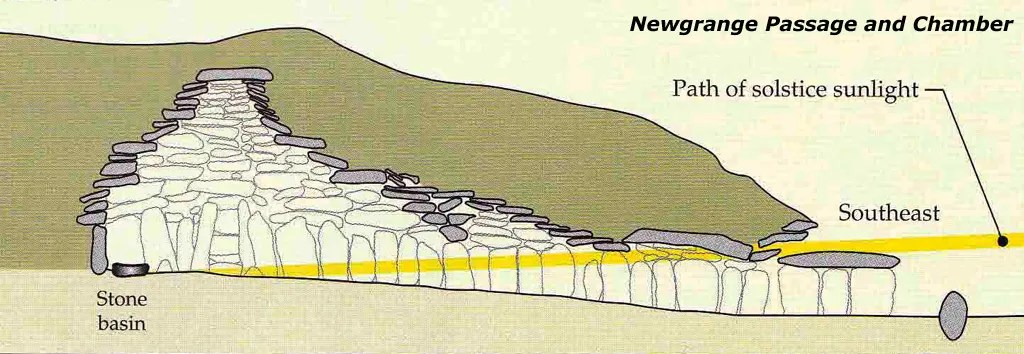
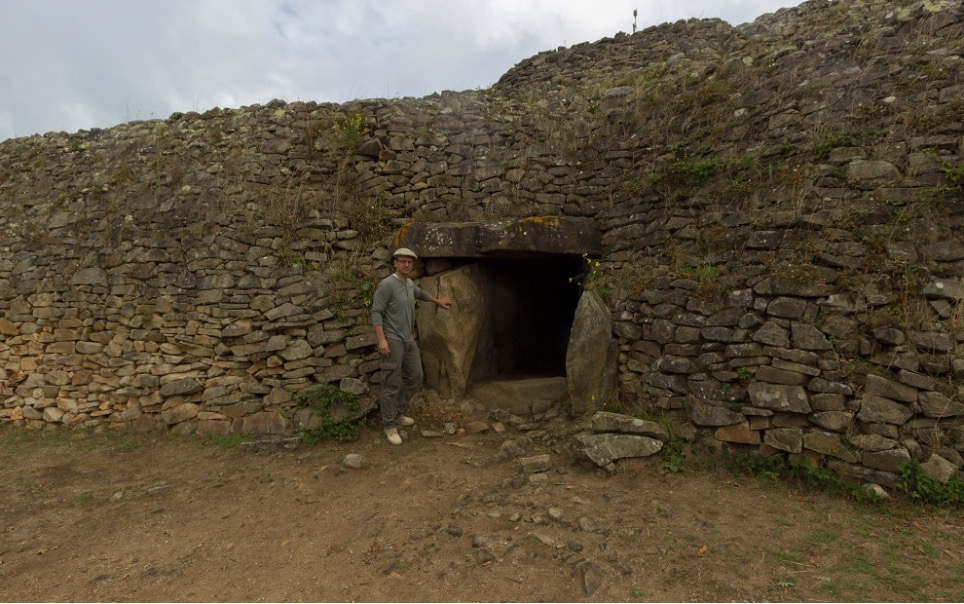
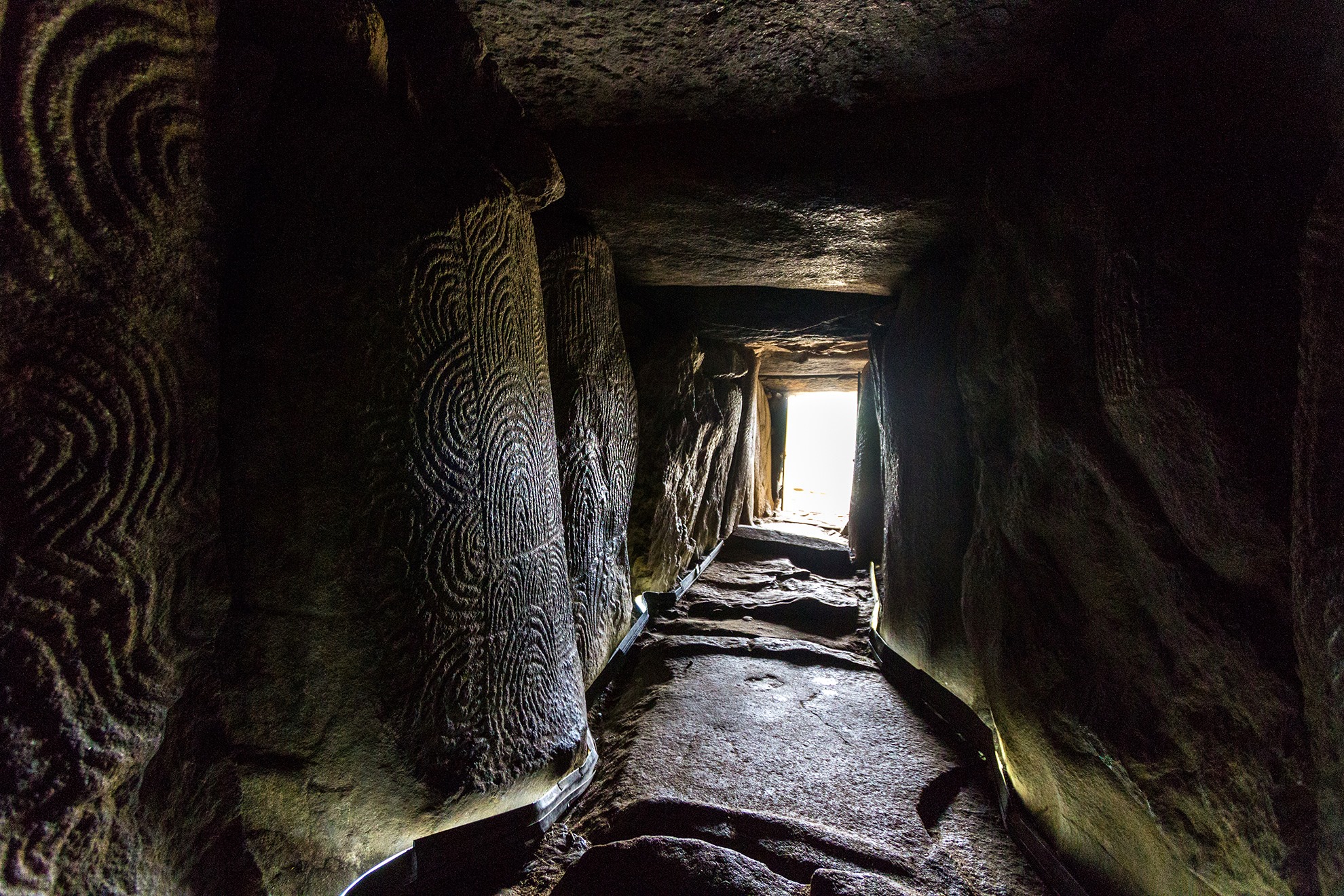
In Irlanda, il tumulo megalitico di Newgrange, costruito circa 5.000 anni fa (3.200 a.C.), quasi seicento anni prima della Grande Piramide di Giza e mille anni prima di Stonehenge, è allineato perfettamente con il sorgere del sole al solstizio d’inverno: all’alba del 21 dicembre, un raggio di sole penetra attraverso un'”apertura appositamente progettata sopra la porta e illumina la camera sepolcrale per circa 17 minuti. In Bretagna, il Cairn di Gavrinis (3.500-3.000 a.C.), coevo di Newgrange, presenta lo stesso allineamento solstiziale.
Gli Egizi costruirono i loro massimi templi — Karnak, il tempio della regina Hatshepsut, Qasr Qarun — in modo tale che al solstizio d’inverno il sole nascente illuminasse il Sancta Sanctorum, il luogo più sacro, con un raggio di luce.
Gli antichi Romani festeggiavano i Saturnalia (17-23 dicembre), seguiti dalla festa del Dies Natalis Solis Invicti (il giorno della nascita del Sole Invincibile, il 25 dicembre), riconoscendo che era proprio in questo giorno, quando il Sole sembrava più debole, che esso si dimostrava “invictus” — invincibile sulle stesse tenebre.
I Celti celebravano questo momento con la festa di Yule o Alban Arthuan — letteralmente “il riposo di Artù” — intorno al 21 dicembre, celebrando la morte del “Re Oscuro” e la rinascita del “Sole Bambino” dal grembo della Dea Madre.
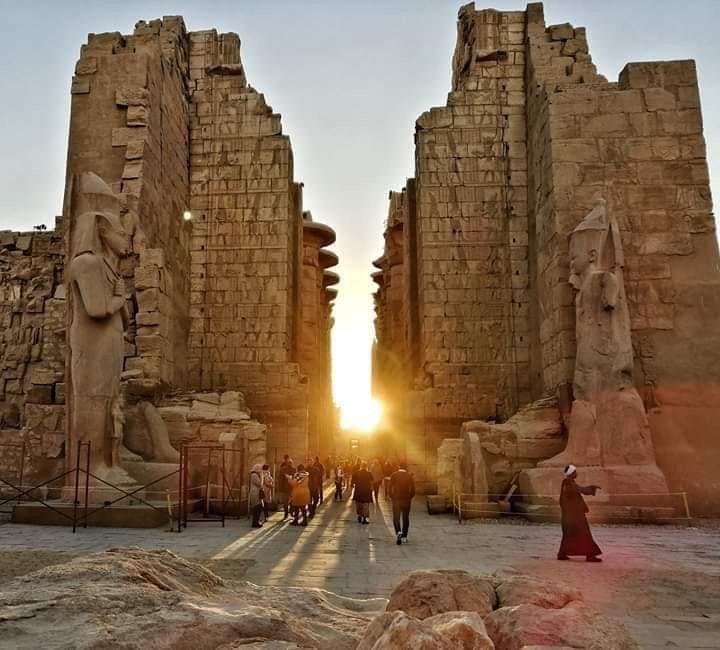
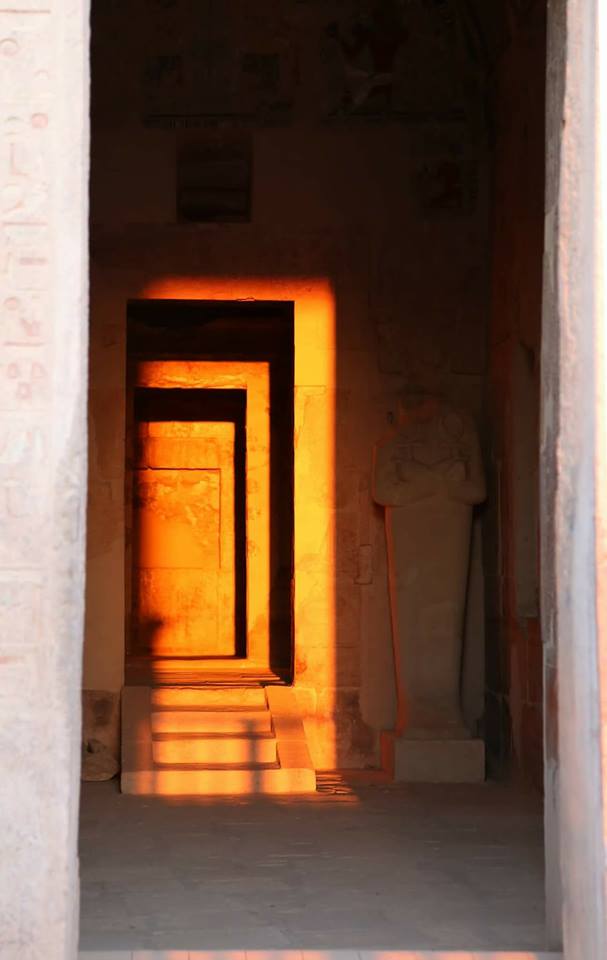
Questa ossessione cosmologica universale testimonia un fatto profondo: le antiche civiltà non vedevano il solstizio d’inverno come una semplice curiosità astronomica, bensì come il momento sacro del rinnovamento cosmico, il punto in cui l’universo stesso si rigenerava. Secondo la mitologia universale di questi popoli, in questa notte il Vecchio Sole moriva e rinasceva come Sole Bambino, promessa di luce, calore e vita che sarebbe tornata a fertilizzare la Terra. Era la vittoria della Luce sull’Ombra, del Bene sul Male, della Vita sulla Morte.
Francesco, nel 1223, quando creò il primo presepe vivente, non inventava nulla di nuovo dal punto di vista concettuale. Stava cristianizzando una celebrazione che era già presente in tutte le civiltà umane dal primo sorgere della cultura. La Chiesa aveva già risalito al 25 dicembre la data della nascita di Gesù — che i Vangeli non specificano — proprio per allinearla al solstizio d’inverno e al culto pagano del Sol Invictus.
Francesco comprese — forse direttamente dai saggi orientali — che la rappresentazione vivente del presepe sarebbe potuto essere non soltanto un atto di pietà medievale, ma una ricreazione terrestre del mistero cosmico del solstizio, una partecipazione liturgica umana al rinnovamento annuale dell’universo stesso.
La Scena Madre: Il Cielo di Mezzanotte del Solstizio d’Inverno
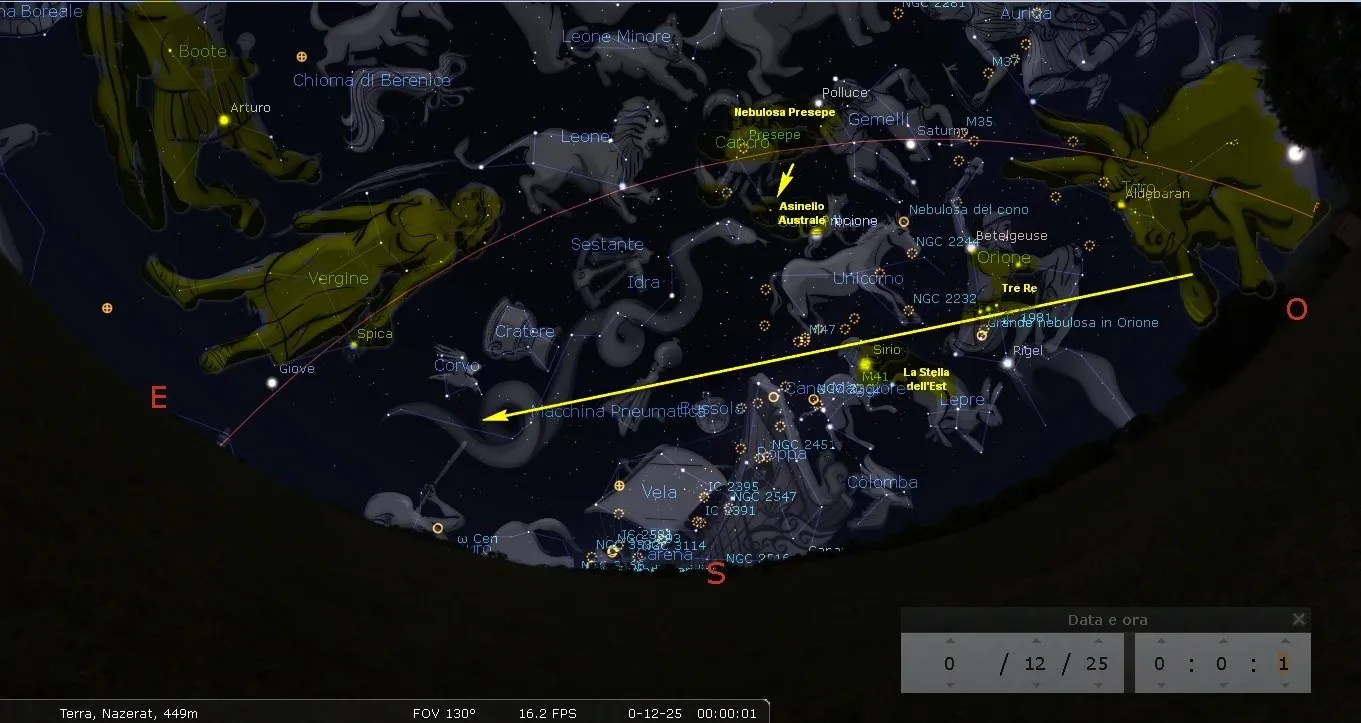
Per comprendere il presepe nelle sue dimensioni cosmiche, è necessario visualizzare il cielo nella notte tra il 24 e il 25 dicembre attorno alla mezzanotte, nel cielo all’epoca della nascita di Gesù. In quel preciso istante astronomico, si verifica una configurazione geometrica sacra che si ripete da secoli (con variazioni dovute solo alla precessione degli equinozi). Il solstizio d’inverno rappresenta il momento critico dell’anno: il Sole raggiunge la sua declinazione meridionale più estrema, a Sud Est, intorno a -23,5° nell’area mediterranea, e traccia il punto più basso nella sua orbita apparente.
È il momento in cui il giorno è più corto, la notte più lunga. Ed è in questo momento preciso che Francesco sceglie di rappresentare il mistero della Incarnazione.
La Mangiatoia: L’Ammasso M44 del Cancro
Al centro della scena del presepe c’è un elemento che la tradizione considera semplicemente simbolico: la mangiatoia, “praesepe” in latino. Ma se alziamo gli occhi al cielo nella notte del solstizio d’inverno, scopriamo qualcosa di straordinario. Nella costellazione del Cancro, che a mezzanotte dominava il cielo invernale medievale, esiste l’ammasso stellare nebuloso M44, noto fin dall’antichità Ammasso del Presepe.

L’ammasso è stato descritto da Arato e Teofrasto intorno al 280 a.C. come una “piccola nube”, e Tolomeo lo definì “la massa nebulosa nel seno del Cancro”. È uno degli ammassi aperti più vicini al nostro sistema solare, a circa 600 anni luce di distanza, e contiene oltre mille stelle legate gravitazionalmente. Francesco non ha scelto una culla a caso: ha proiettato in terra proprio l’ammasso M44, trasformando una grotta dell’Appennino nel riflesso terrestre di una realtà celeste.
I Protagonisti Stellari del Presepe
Se il presepe è una mappa stellare, allora i suoi personaggi devono essere costellazioni. Analizzando i principali attori della rappresentazione del 1223 come asterismi presenti nel cielo della mezzanotte del solstizio d’inverno, la corrispondenza astronomica diventa sorprendente.
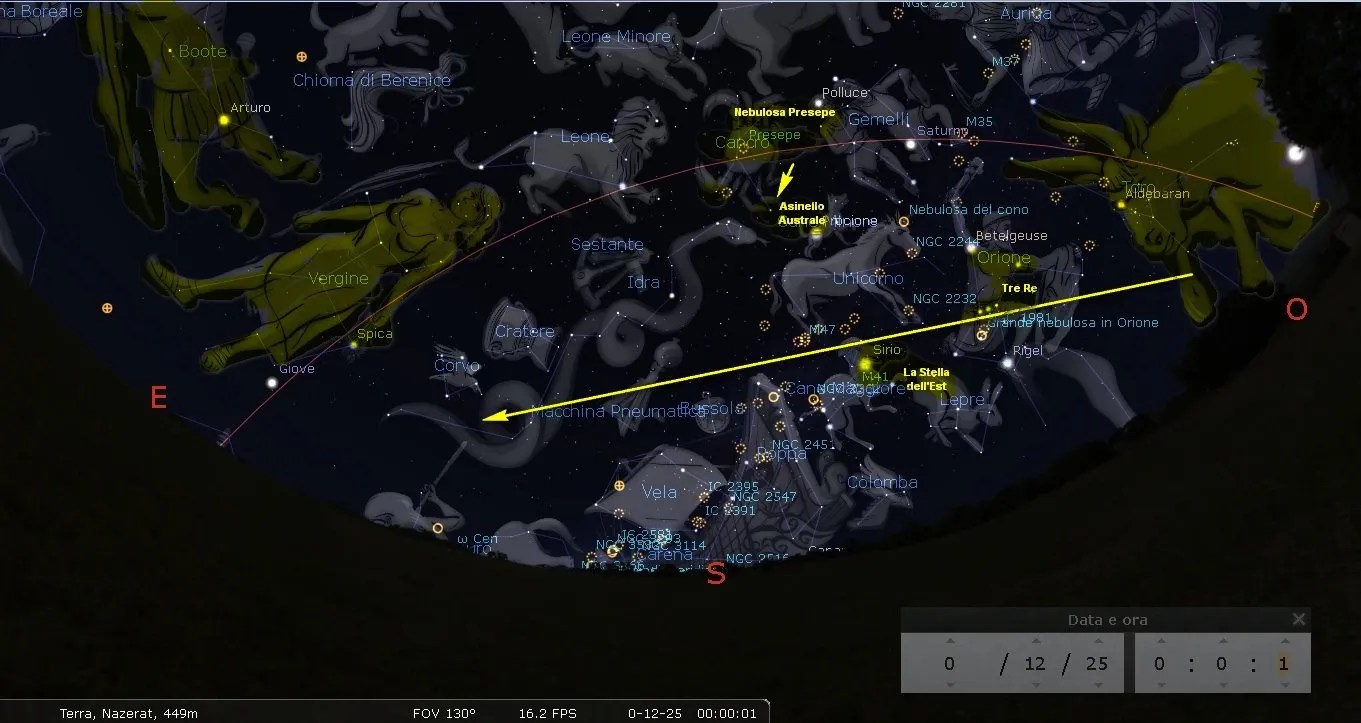
Il Bambino Gesù: Il Sole al Nadir
Gesù nel presepe non è una costellazione. Gesù è il Sole stesso. Ma dove si trova il Sole a mezzanotte? È esattamente sotto i nostri piedi, al Nadir — il punto più basso, l’Imum Coeli, il fondo del cielo. In quel momento, il Sole è nel profondo della Terra, nella “Grotta Cosmica”. La teologia celeste insegna che il Bambino nasce a mezzanotte proprio perché è il momento in cui il Sole cessa di scendere (il solstizio è il punto di arresto) e ricomincia, impercettibilmente ma inesorabilmente, la sua risalita verso la luce. Il Bambino è la promessa che la luce tornerà, che non siamo condannati all’oscurità perpetua. È l’atto di fede cosmico incarnato.
La Vergine Maria: La Costellazione della Vergine all’Ascendente
Questa è forse la corrispondenza più letterale e più sconvolgente nella tesi del presepe ermetico. A mezzanotte del 25 dicembre, volgendo lo sguardo verso Est, quale costellazione sta sorgendo all’orizzonte, precisamente nel punto dell’Ascendente? La Vergine (Virgo). La costellazione della Vergine sorge dall’orizzonte orientale esattamente nel momento in cui il Sole raggiunge il Nadir.
La sincronizzazione è perfetta, quasi liturgica: mentre il Sole, il Bambino divino, è nel punto più basso della Terra, la Vergine ascende dal basso verso l’alto, “partorendo” il nuovo ciclo solare che inizierà nei mesi successivi.

San Giuseppe: La Costellazione di Boote
Chi è l’uomo anziano e protettivo che nel presepe sta sempre un passo indietro a Maria, custodendo silenziosamente? Nel cielo, immediatamente “sopra” o dietro la Vergine durante quella notte, si trova la costellazione di Boote. Boote è il nome latino del Bifolco o del Pastore — raffigurato come un uomo maturo che custodisce il gregge. Per i Latini, Boote era l’Arctophylax, il “Custode o Guardiano dell’Orsa”, in riferimento all’Orsa Maggiore. Boote segue la Vergine nel suo moto celeste: è il custode silenzioso, il padre putativo che veglia sulla madre e sul bambino senza intervenire nel mistero della nascita solare.
Il Bue e l’Asinello: I Guardiani del Presepe Celeste
Tornando all’ammasso M44 nel Cancro, scopriamo un fatto straordinario: le due stelle fisse che fiancheggiano la nebulosa della Mangiatoia si chiamano Asellus Borealis (γ Cancri) — L’Asinello del Nord e Asellus Australis (δ Cancri) — L’Asinello del Sud.
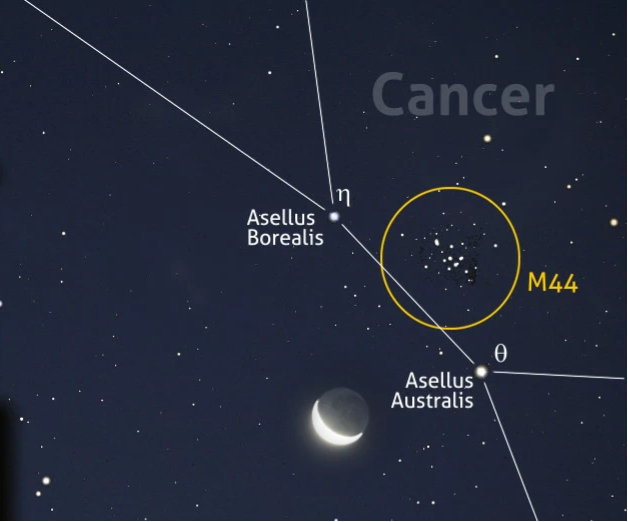
La parola latina Asellus significa proprio “asinello”. Secondo la mitologia classica, questi asini appartengono a Dioniso e Sileno, che li cavalcarono nella mitica battaglia contro i Titani. L’Asino è lì, nel cielo da sempre, a mangiare nella mangiatoia (il Presepe).
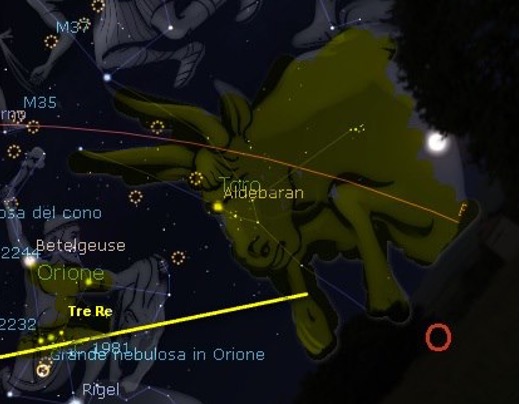
E il Bue? La costellazione del Toro sta tramontando a Ovest mentre quella della Vergine sorge a Est. La costellazione del Toro è visibile nei cieli notturni invernali. Il suo tramontare, indica l’uscita dalle stagioni delle tenebre. L’Asinello, al contrario, è legato al Sole, al ciclo estivo nel Cancro — e rappresenta il veicolo della luce. Insieme, i due animali sono gli estremi dell’anno — Estate e Inverno — che si riconciliano nella nascita del Dio durante il solstizio.
I Tre Re Magi: La Cintura di Orione che Punta verso Sirio
Ma il disegno celeste di Francesco non si ferma qui. Esiste ancora una corrispondenza sorprendente, che completa la mappa stellare del presepe e la trasforma in un vero e proprio talismano ermetico: i Tre Re Magi come le tre stelle della Cintura di Orione.
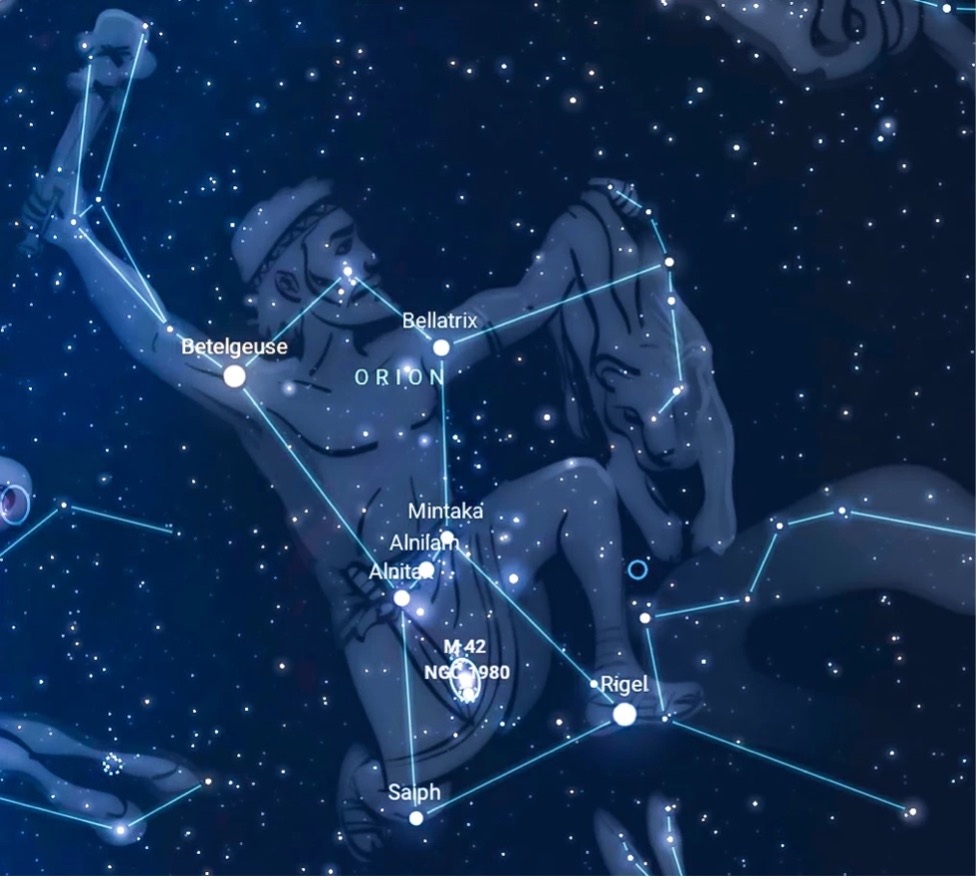
Nel cielo invernale del solstizio, la costellazione di Orione domina maestosa l’orizzonte Sud, alta e ben visibile in tutta la sua magnificenza. La sua caratteristica più distintiva sono le tre stelle di quasi uguale luminosità al centro della figura: Alnitak, Alnilam e Mintaka (ζ, ε e δ Orionis). Queste tre stelle formano quello che in astronomia si chiama la Cintura di Orione o Balteo di Orione.
Nella tradizione popolare italiana, specialmente nelle regioni dell’Italia centro-settentrionale, queste tre stelle sono chiamate da sempre con nomi evocativi e significativi: “i Tre Re”, “i Re Magi”, oltre che “il rastrello”, “i tre mercanti”, “i bastoni”. Il nome “Tre Re” è attestato nella tradizione contadina italiana come la denominazione più antica e diffusa per questo asterismo, visibile proprio durante le festività natalizie.
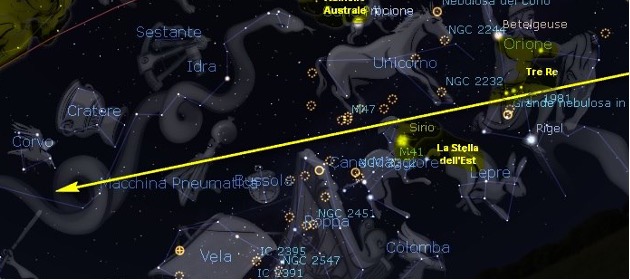
Ma perché Francesco avrebbe dovuto rappresentare i Magi proprio attraverso queste tre stelle? La risposta sta in una geometria celeste ancora più profonda e simbolicamente potente. Le tre stelle della Cintura di Orione, se prolungate in linea retta verso Sud-Est, puntano esattamente alla stella più luminosa del cielo notturno: Sirio (α Canis Majoris).
Questo allineamento è talmente evidente e riconoscibile che viene utilizzato universalmente dagli astronomi e dagli appassionati di astronomia per individuare Sirio nel cielo: basta prolungare la linea delle tre stelle della Cintura verso il basso (verso Sud-Est) e si arriva direttamente alla brillantissima Sirio, che risplende con una luce bianco-azzurra inconfondibile. “Le tre stelle della Cintura di Orione ci guidano verso la più luminosa stella del firmamento”, scrivono gli astronomi moderni.
La Levata Eliaca di Sirio e l’Alba del Solstizio
Ma c’è di più. Nel periodo del solstizio d’inverno, Sirio assume un significato cosmologico particolare. Nell’antico Egitto, la levata eliaca di Sirio (cioè la sua prima apparizione all’alba appena prima del sorgere del Sole, dopo un periodo di invisibilità) era l’evento astronomico più importante dell’anno. Questa stella, che gli Egizi chiamavano Sothis e identificavano con la dea Iside, annunciava l’inondazione del Nilo e l’inizio del nuovo anno.
Al solstizio d’inverno, Sirio si trova in una posizione particolare: sorge a Sud-Est, esattamente nel settore dell’orizzonte dove, qualche ora dopo, sorgerà anche il Sole all’alba del solstizio. Il punto di levata del Sole al solstizio d’inverno raggiunge la sua massima amplitudine ortiva Sud — cioè la massima distanza verso Sud rispetto al punto cardinale Est. E proprio in quella direzione, proprio a quella latitudine celeste, si trova Sirio, precedendo di poco il sorgere del Sole bambino, del Sol Invictus.
Sirio, dunque, diventa la stella-guida che precede e annuncia la nascita del Sole nuovo, il Sole del solstizio che riprende la sua ascesa verso l’alto dopo aver toccato il punto più basso. E chi guida Sirio verso la Luce del Mondo? I Tre Re — le tre stelle della Cintura di Orione — che, perfettamente allineate con Sirio, puntano verso il luogo esatto dove il nuovo Re, il Sole Bambino, farà la sua apparizione all’alba.
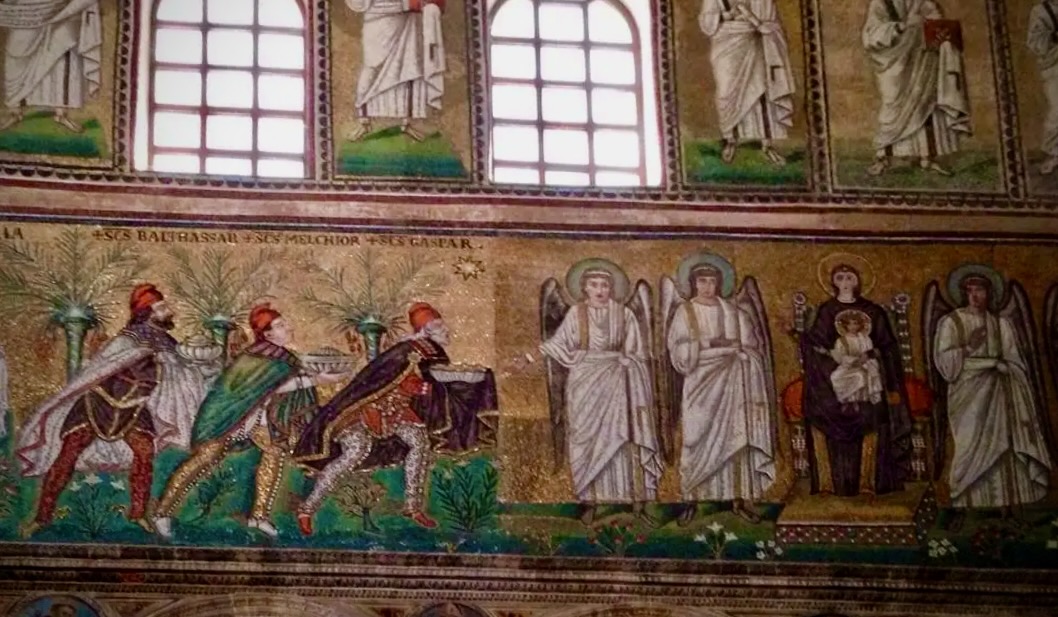
La simbologia è potentissima e potrebbe essere la corretta interpretazione astronomica del racconto evangelico: i Magi vengono da Oriente (e Orione sorge appunto a Est), seguono una stella (Sirio, la più luminosa del cielo), e questa stella li conduce al luogo dove è nato il Re (il punto di levata del Sole al solstizio d’inverno). La tradizione identifica i Magi proprio come astrologi provenienti dalla Persia, cultori dell’osservazione celeste e della scienza delle stelle. Francesco, informato dai saggi orientali, potrebbe aver compreso questa corrispondenza e averla incorporata nel suo presepe vivente.
Il Talismano Ermetico: Dalla Teoria alla Pratica Vivente
Un talismano, nella tradizione ermetica e cabalistica, è un oggetto o una configurazione che incarna e concentra le energie cosmiche e spirituali di realtà superiori, canalizzandole verso il piano terrestre. Francesco, leggendo nelle profondità della sua esperienza mistica l’insegnamento ermetico “Come in cielo, così in Terra”, trasformò una notte reale, in un luogo reale, con esseri viventi, in una riproduzione vivente della mappa stellare. Il presepe di Greccio è un talismano celeste, un’immagine magica incarnata.
Nel momento in cui i frati cantavano le laudi, nel momento in cui la folla vegliava nella grotta fredda dell’Appennino, stavano partecipando inconsapevolmente (ma questo non ha importanza per la scienza ermetica) a una liturgia stellare vivente, a una riproduzione terrestre dei movimenti del cielo.
Le Coincidenze come gli Indizi: Verso una nuova consapevolezza
Qui si pone una domanda al lettore: quando le coincidenze si accumulano fino a formare un disegno coerente, quando gli “indizi” si moltiplicano oltre la casualità, diventano una “prova”?
Francesco non ha lasciato scritti che dichiarino esplicitamente: “Ho creato il presepe come mappa stellare in conformità ai principi ermetici appresi presso il Sultano d’Egitto”. Mancano le testimonianze documentali. Eppure, vi è una sincronicità, una serie di coincidenze significative, che porta a suggerire che esiste una connessione tra eventi che non è riducibile alla semplice causalità lineare. Quando le coincidenze si accumulano e formano un disegno coerente, come in un puzzle che si completa, suggeriscono l’esistenza di una intelligenza sottesa — che sia quella di Francesco consapevolmente operante, oppure quella di un principio cosmico più ampio che lavora attraverso di essa.
Conclusione: La domanda che rimane
Durante le festività natalizie Natale, quando osserverete il presepe nelle vostre case — che sia fatto di gesso, di ceramica, di legno o di cartapesta — sappiate che potreste aver composto un piccolo planetario, una liturgia domestica con i cicli cosmici che hanno affascinato e guidato donne e uomini come voi, dalla preistoria ai giorni nostri.
Chissà, forse Francesco ci sta sussurrando ancora, attraverso il Presepe di Greccio: “Voglio vedere. Voglio portare il Cielo sulla Terra.”
E forse, in quella fredda notte del 1223, mentre le tre stelle di Orione brillavano alte nel cielo meridionale puntando verso Sirio, mentre la Vergine sorgeva a Est, mentre il Sole toccava il suo punto più basso nel profondo della Terra, Francesco ha compiuto uno degli atti magici più perfetti della storia occidentale: ha reso visibile l’invisibile, ha materializzato il cielo sulla terra, ha creato un talismano vivente che ancora oggi, ogni Natale, ripetiamo nelle nostre case, perpetuando una liturgia cosmica che collega l’umano al divino, la Terra al Cielo, e che ci ricorda che siamo parte di un ordine cosmico eterno che si rinnova ogni anno nel momento del solstizio d’inverno.




















 Sandro Zicari's Blog